
























Effective Treatment For High Blood Cholesterol: Natural & Holistic Solutions
Managing high cholesterol is essential for heart health. We offer comprehensive high blood cholesterol treatment, including holistic treatment for high cholesterol and natural treatment for high cholesterol to lower cholesterol levels effectively.
.
Symptoms & Causes
Symptoms
It is very challenging to detect high cholesterol without regular blood tests because it doesn’t have noticeable symptoms. In some cases, it can lead to serious issues like chest pain or shortness of breath. If cholesterol levels get very high, you might also see yellowish deposits of fat on the skin or around the eyes. Regular check-ups are important so you can catch high cholesterol early and start appropriate high blood cholesterol treatment or natural treatment for high cholesterol to prevent complications.
Causes
Several factors can contribute to high cholesterol levels. A diet loaded with saturated and trans fats, combined with a lack of exercise, can significantly raise your cholesterol. Genetics also play a role; other factors include age, obesity, and certain health conditions like diabetes. By understanding these causes, you can explore options like holistic treatment for high cholesterol or alternative treatment for high cholesterol to help manage your levels effectively.

Diagnosis
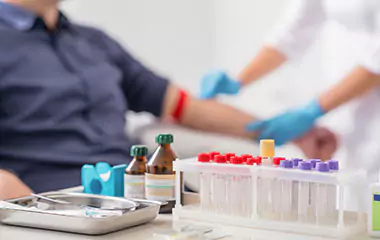
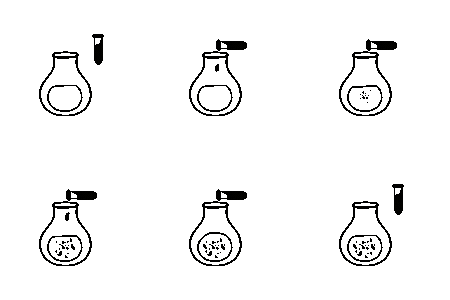
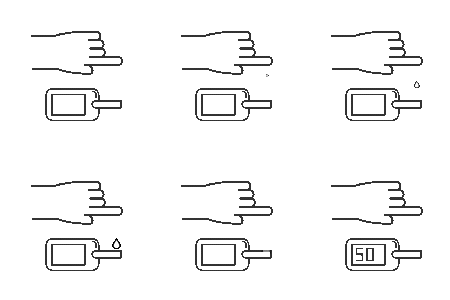
Diagnosing high cholesterol is straightforward and typically starts with a simple blood test called a lipid panel. This test measures the different types of cholesterol and fats in your blood.
Lipid Panel
This test evaluates:
- Total Cholesterol: This is the overall cholesterol level in your blood.
- Low-Density Lipoprotein (LDL): Often called "bad" cholesterol, high levels can increase your risk of heart disease.
- High-Density Lipoprotein (HDL): Known as "good" cholesterol, higher levels are better because they help remove LDL cholesterol from the bloodstream.
- Triglycerides: These are fats in your blood, and high levels can also contribute to heart disease risk.
Risk Factors
- Family history of high cholesterol or heart disease.
- Lifestyle choices, such as your diet and exercise habits.
- Existing medical conditions, like diabetes or high blood pressure.
- Level of inflammation in the body.
Follow-Up Tests
If your initial tests show high cholesterol levels, further testing might be necessary, such as:
- Apoprotein B test: This measures specific proteins associated with cholesterol particles.
- Advanced Lipid Testing: This gives a detailed breakdown of different cholesterol types.
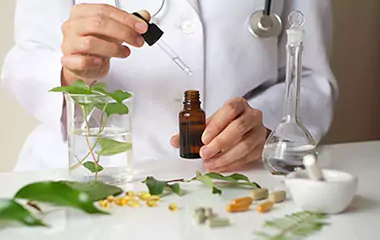
After diagnosing high cholesterol, your doctor will discuss your options for high blood cholesterol treatment. This could include lifestyle changes, medications, or natural treatment for high cholesterol. For example, there are multiple botanical medicines and nutritional supplements that are known to reduce cholesterol levels. Exploring holistic treatment for high cholesterol or alternative treatment for high cholesterol is also possible, depending on your preferences and health needs. Regular check-ups are key to effectively managing cholesterol and reducing heart disease risk.
Treatment
When it comes to treatment for high cholesterol, lifestyle changes are often the first step. Moreover, conventional cholesterol treatments, especially statins, can lead to severe nutritional deficiencies. Adopting a heart-healthy diet can significantly lower cholesterol levels. This includes reducing saturated and trans fats, increasing fiber intake, and incorporating more fruits, vegetables, and whole grains into your meals. Regular exercise is also vital; aiming for at least 150 minutes of moderate activity each week can help enhance your high cholesterol treatments.
If lifestyle changes aren't enough, your healthcare provider may recommend medications. Statins are commonly prescribed to lower LDL cholesterol, but there are also other options available. For those seeking a more personalized approach, options like holistic treatment for high cholesterol or natural treatment for high cholesterol can be explored. Additionally, alternative treatments for high cholesterol, such as dietary supplements and herbal remedies, can complement standard treatments.


Prevention
Preventing high cholesterol starts with a healthy lifestyle. Eating a balanced diet low in saturated and trans fats, maintaining a healthy weight, and exercising regularly can significantly lower cholesterol levels. Regular check-ups with your healthcare provider can help monitor your cholesterol levels and determine if you need any high blood cholesterol treatment or high cholesterol level treatment
Takeaway Points
- Eat a diet balanced in protein, healthy fats, and fiber.
- Maintain a healthy weight through regular physical activity.
- Avoid smoking and limit alcohol consumption.
- Get regular cholesterol screenings.
- Conventional cholesterol treatments, namely statins, cause nutritional deficiencies.
- Nutritional supplements and botanical medicines can help to control cholesterol.